Published on July 13, 2025
You booked your trip. Maybe for work, maybe for rest. You deserve it. You need it. And yet… somewhere between the confirmation email and coming back home, the quiet stress creeps in.
As someone who spent almost 30 years behind the tourism curtain — solving, translating, guiding, rescheduling, calming — I want to show you what really goes wrong in travel, and why so many people feel overwhelmed or misled along the way.
These aren’t the things influencers talk about. These are the things you deal with when no one is watching.
1. Booking Doubts Hit Right After Payment
You book the flight or hotel, and suddenly you’re not sure. Did I choose the wrong date? Is this the final price? Was it the best option? Am I sure it’s not a scam?(**)
This low-level panic hits after you’ve committed, especially with non-refundable bookings.
2. Hidden Fees That Add Up Quietly
Transfers. Tourist taxes. Baggage fees. Priority boarding. Roaming charges. Renting a Car. Insurance for the trip and the insurance for the car. Tips (in certain countries it is mandatory and a good tour operator will provide more detailed information about it, especially for tours with a guide and a driver and local tickets for museum or archaeological sites).
The trip might have been advertised at €1000 per person, but by the end, it’s €1300-1400.
Some people only realize it when it’s too late.
3. Flight Changes, Cancellations, or “Schedule Optimization”
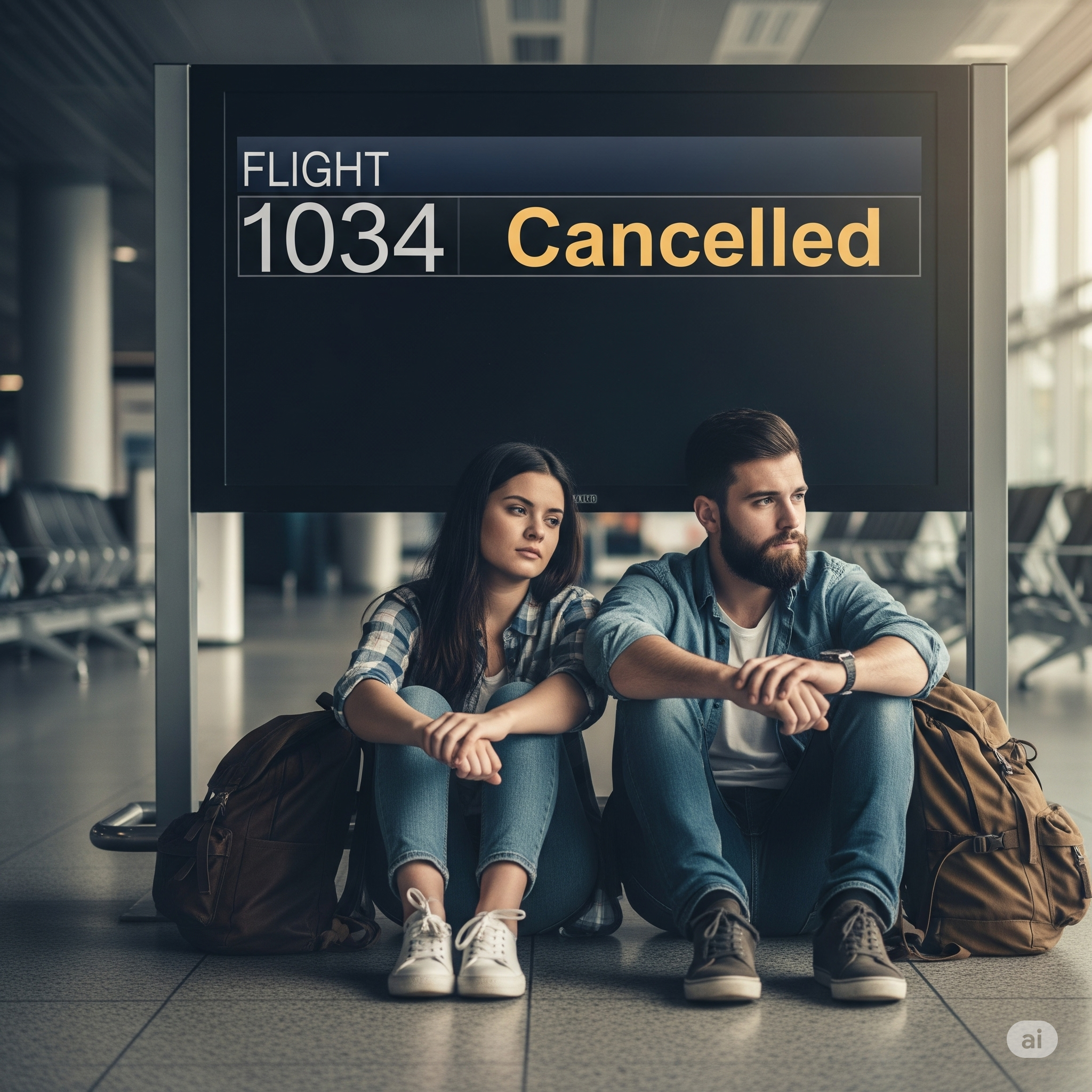
Airlines change flight times or cancel segments more than people realize and sometimes you don’t get notified in time or you get a notification on your way to the airport or it can be cancelled while you wait your turn at the check-in area. What happens next, and what you should do, are topics we’ll explore further soon.
4. Overbookings Happen More Than You Think
Yes, it’s legal. Yes, even after you’ve paid.
Accommodation has a huge overbooking problem but only in specific periods (Holidays, Events such as concerts, fairs, sporting events, etc). What would you do if you are travelling overseas for Christmas and New Year’s Eve and someone tell you that “your apartment is not available, please cancel the reservation” and you know already nothing is available for those dates?
Airlines and ferries overbook expecting a percentage of no-shows.
But when everyone actually shows up? Someone’s bumped.
It’s not always about luck — it’s about knowing what to say and what to do when it happens.
5.Accommodation Disappointments (Even on Trusted Platforms)
Photos don’t show the mold, the noisy street, or the party bar next door. Reviews can be manipulated. Some listings are pure scams.
And when something’s off? Policies are designed to make refunds difficult for both parties. It’s a question of accountability, did we read the fine print? Did the property read the fine print in the contract signed with the platform? There you go.
6. No One Picks Up the Phone When It Matters
Try calling your airline during a cancellation wave. Or try changing a booking at 2 AM. You’ll likely end up on hold or talking to a chatbot that loops. When you need a human, support often is not available and when it’s available, you are talking with someone from the other side of the world that probably cannot really help you.
7. Transport Gaps No One Warns You About
That fast ferry to reach the little port near the hotel? Cancelled for “technical reasons” so, instead of 1h:30min you will have to do 4 hours of bus through the mountains.
The bus to the airport? Overcrowded or doesn’t run on Sundays. It’s full of Taxi, go take one and pay 5-10 times more than the ticket you won’t be able to use.
These gaps are not accidents. They are known risks hidden under beautiful brochures.
8. Different Passenger Rights Depending on Region
European travellers have strong protection under EC261 (compensation for delays, cancellations, denied boarding).
U.S. travellers? Far less. What about all the other countries?
If you don’t know your region’s rules, you may lose time and money you could have saved or claimed.
9. Language Barriers in Critical Moments
Most of the time, English works, until it doesn’t.
A delay announcement in Greek. A lost bag in a regional airport in Spain. A refund form only in French.
Travelers often feel trapped and embarrassed, even though it’s not their fault.
10. “Tourist Mode” Makes You an Easy Target
Tired, sunburnt, carrying bags, using maps.
You stand out — and that makes you a target.
For overpriced taxi rides, fake guides, currency exchange scams, or even just unfair treatment.
These challenges can surface anywhere.
11. Coming Home Feels Heavier Than Expected
You expect to come back refreshed. Instead, you come back exhausted. Dirty laundry, bank notifications, unread emails, maybe even regret.
And no one warns you that the return can feel like a crash.
Why This Matters (and What You’ll Find Here)
This blog is not about cheap tips or travel hacks.
It’s about truth, quiet preparation, and control.
It’s about reclaiming your time, your money, and your choices as a traveller — without noise, panic, or pressure.
In future posts, I’ll be diving into each of these issues with:
- Simple guides (what to say, what to do, when)
- Downloadable tools to keep before you travel
- Comparisons of rights between Europe and the U.S. and other countries as well.
- Calm advice from someone who’s lived this industry for decades
You don’t have to be loud to protect yourself.
You just need to know what they won’t tell you.
Subscribe below if this speaks to you.
A quiet step at a time — we go forward.
(**) and yes, it happens even with well known and established platforms which, apparently, allow new properties to go “live” (or bookable) before any kind of verification, allowing their customers to be scammed by a too-good-to-be-true offer. Remember: when it’s too good to be true, it’s most probably not true.